Autumn brings falling leaves, heavy rain, and the first crisp morning frosts across Hamilton, East Hamilton, Stoney Creek, and the Hamilton Mountain. As temperatures drop toward 0 °C, your vehicle relies heavily on its cooling system to regulate engine heat during your daily commutes. Detecting a fluid leak early saves you from unexpected roadside trouble when the weather turns truly cold and mornings demand reliable defrosting. One of the most distinct indicators of a cooling system issue is a sweet, syrupy odour lingering near the front of your car after a drive.
Recognizing the Sweet Scent and Visual Clues
Ethylene glycol, the primary chemical compound in traditional engine coolant, has a noticeably sweet fragrance that stands out from regular oil or fuel smells. If you catch a sugary scent after parking your car in your driveway or garage, do not ignore it. This distinctive aroma often signals a minor pinhole leak in a rubber hose, a failing radiator seam, or a loose clamp that needs attention. When the engine reaches operating temperature, pressurized fluid escapes and vaporizes against hot metal components, releasing that signature odour into the air around the bumper.
- Puddles of brightly coloured fluid beneath the front engine bay
- Low coolant levels visible inside the plastic overflow reservoir
- Damp patches or crusty residue on rubber hoses or around the radiator core
- A faint mist or sweet steam rising from under the bonnet after a trip
Checking Your Fluid Levels Safely at Home
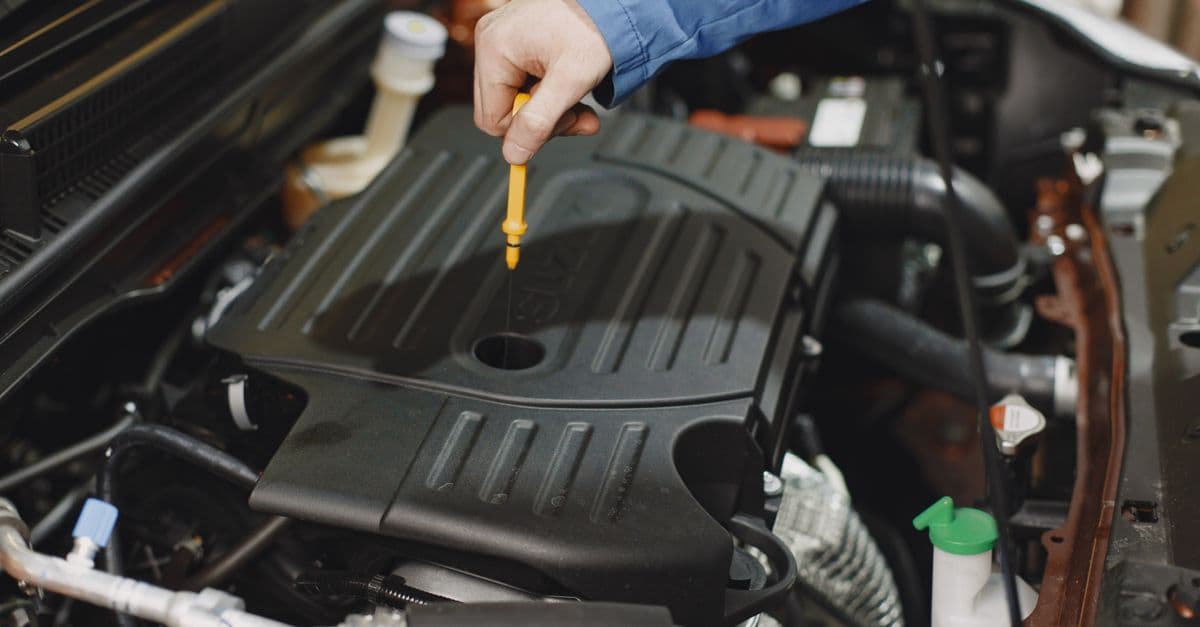
Never open a hot radiator cap, as the pressurized boiling fluid can cause severe burns on contact. Instead, wait until the engine is completely cool to the touch, usually first thing in the morning before starting your commute. Locate the translucent coolant overflow reservoir under the hood and check the minimum and maximum indicator lines stamped on the side. If the fluid sits below the required mark, you are steadily losing fluid somewhere in the closed loop. To confirm the exact source of the drop, schedule a professional coolant and transmission fluid service to pressure test the entire cooling circuit.
Why Autumn Demands Cooling System Attention
As ambient outdoor temperatures drop steadily through October, cooling systems face unique operational challenges. Antifreeze does more than just prevent freezing during sub-zero winter nights; it also raises the boiling point of the liquid during heavy autumn traffic and protects internal metal passages from rust and corrosion. If your coolant is old, degraded, or diluted with too much water, it loses its protective properties. Catching a weak mixture or a slow leak now prevents severe engine overheating, warped cylinder heads, and costly repairs down the road as winter approaches.
Frequently asked questions
Why does engine coolant smell sweet?
Coolant contains ethylene glycol, a chemical compound that naturally produces a sugary scent when it heats up and evaporates into the surrounding air.
Can I drive my car with a small coolant leak?
Driving with an active leak risks rapid overheating and severe engine damage, especially if the fluid level drops below safe operating thresholds on the highway.
Where should I take my car for fluid checks in Hamilton?
Bring your vehicle to our shop at 35 Parkdale Ave N for thorough professional maintenance. You can also explore our vehicle health inspection and safety checks to catch minor issues before they worsen.
To keep your engine running reliably through the autumn season, reach out to our team today. Call us at (905) 547-1112 or contact us online to book your next service appointment.
Photo: Gustavo Fring / Pexels