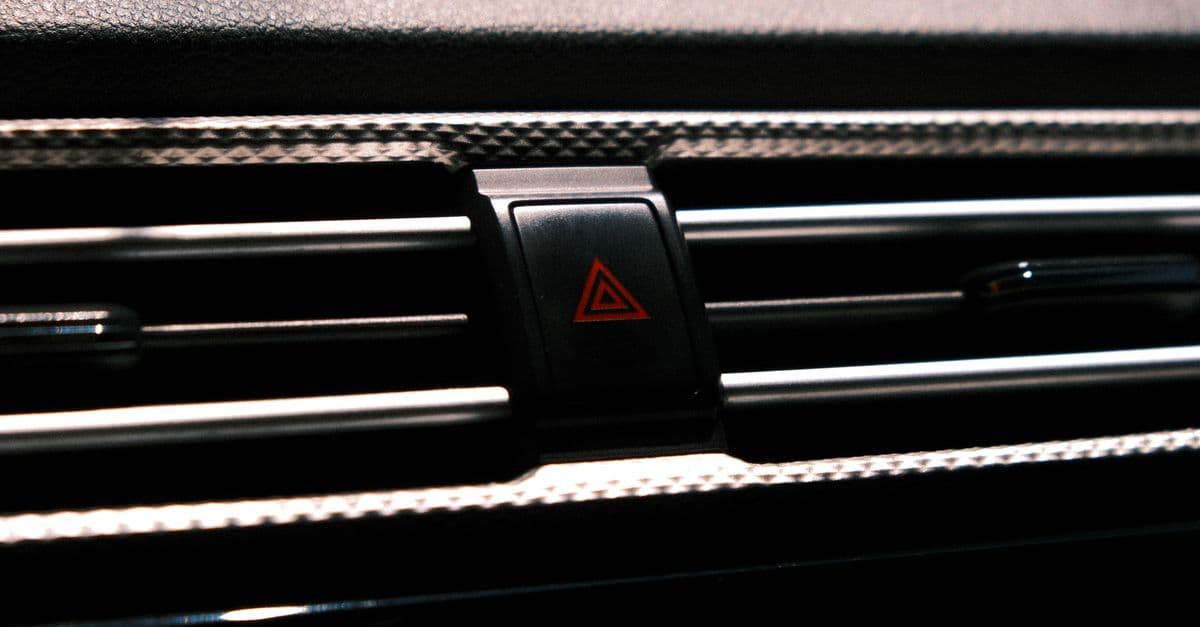
November brings distinct temperature drops across Hamilton, and local drivers often notice unfamiliar dashboard alerts on chilly mornings. When an electronic throttle warning light illuminates during your commute down Parkdale Ave N, it demands prompt attention rather than dismissal. Modern vehicles rely on intricate electronic signals to control engine airflow, making sudden computer fault codes a clear sign to investigate further before minor electrical glitches turn into major drivability concerns.
How Cold Weather Triggers Throttle Fault Codes
Late fall in Ontario introduces rapid shifts from mild afternoons to freezing overnight lows. These temperature swings affect the electrical resistance within sensors and wiring harnesses under the hood. As metal components contract in the cold, moisture can freeze around delicate throttle body connectors, disrupting communication between the gas pedal sensor and the engine computer. When the powertrain control module detects a mismatch in expected versus actual airflow, it triggers a warning light to protect the engine from erratic acceleration. Drivers in East Hamilton and Stoney Creek frequently experience these intermittent glitches during the first deep frost of the season, as older battery voltage drops can also confuse sensitive computer modules.
Recognizing Electronic Throttle Symptoms
Beyond a glowing dashboard icon, an electronic throttle issue often alters how your car drives. You might notice a sluggish response when pressing the accelerator pedal, or the engine may enter a restricted operating mode designed to limit speed safely. Some vehicles experience rough idling or sudden RPM fluctuations while stopped at traffic lights on Hamilton Mountain. Ignoring these physical cues can leave you stranded in heavy traffic when you least expect it. A thorough evaluation helps determine whether the fault stems from a dirty throttle plate, a failing pedal position sensor, or a deeper electronic communication breakdown.
Resolving Fault Codes With Professional Equipment
Intermittent computer alerts require systematic testing rather than guesswork. Technicians connect specialized tools to read stored diagnostic trouble codes from the vehicle computer. This process maps out live data streams from multiple sensors simultaneously, revealing exactly where the signal breaks down between the pedal and the throttle actuator. To address these complex electrical anomalies properly, schedule Advanced diagnostics at our shop. Pinpointing the exact root cause prevents unnecessary part replacements and restores reliable throttle response before winter weather intensifies.
Preparing Your Vehicle for Winter Driving Conditions
Cold weather tests every system in your vehicle simultaneously, highlighting hidden wear before snow arrives. Beyond electronic throttle checks, ensuring your vehicle receives routine care keeps you safe on slick roads. Regular maintenance helps your engine handle heavy electrical loads from heaters, defrosters, and headlights during dark morning commutes. To ensure your car is fully prepared for the freezing months ahead, consider pairing your electronic check with a Vehicle health inspection and safety checks to catch worn components early.
Frequently asked questions
Why does my throttle warning light disappear after restarting the car?
An intermittent electrical connection or a temporary sensor voltage drop can trigger a fault code that clears once the engine cycles off. However, the underlying computer code remains stored in the system memory for technicians to review.
Is it safe to drive with an electronic throttle warning light on?
Driving with an active throttle warning is discouraged because the vehicle may limit power unexpectedly or enter a reduced-speed limp mode. It is best to have the system evaluated immediately to avoid being stranded.
Ready to get your vehicle ready for the winter season? Please call us at (905) 547-1112 or use contact us to schedule your next service appointment with Golden Auto Service at 35 Parkdale Ave N.
Photo: John Joshua Mejia Jose / Pexels