Noticing a steady, low-frequency hum or drone when driving down local parkways can be quite unsettling. When this acoustic vibration matches a specific speed, such as 80 km/h, it often points directly to a mechanical issue within your vehicle's rotating assemblies. Understanding how this sound develops helps drivers across East Hamilton and the surrounding areas address potential drivetrain or suspension concerns before they escalate into more significant road hazards.
Recognizing the Symptoms of Wheel Bearing Wear
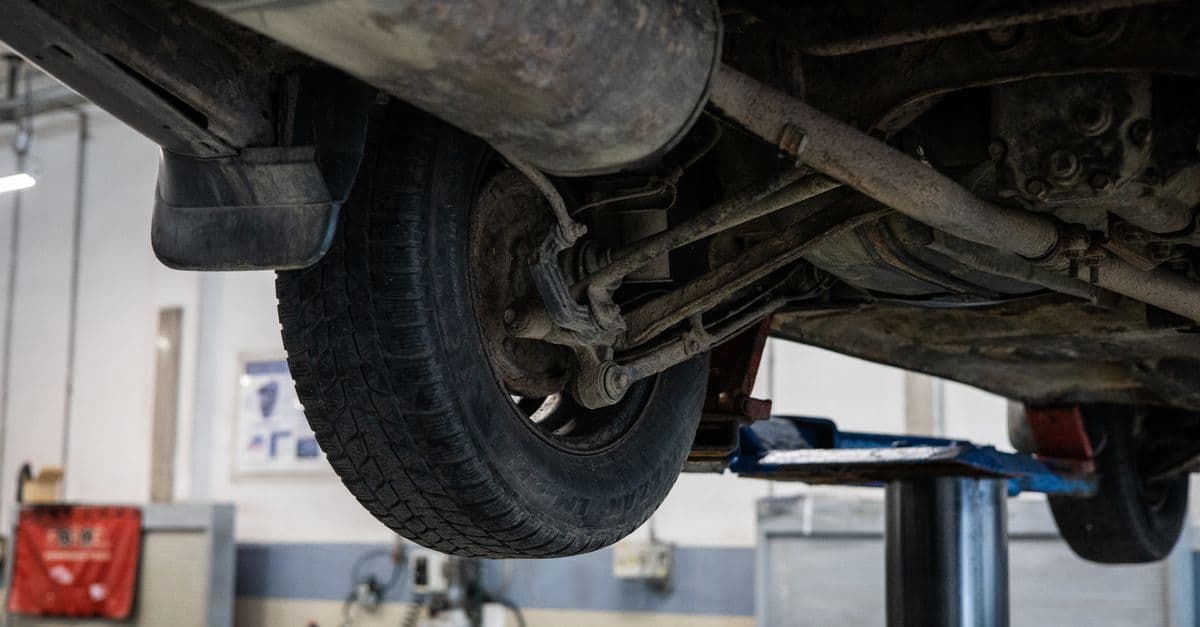
Inside each wheel hub assembly lies a set of precision steel balls or rollers designed to let your wheels spin smoothly with minimal friction. Over years of absorbing potholes, rough asphalt, and seasonal road salt typical of Ontario environments, these components can experience premature wear or internal pitting. The most reliable indicator of a failing wheel bearing is a deep, rhythmic drone that changes pitch or volume as the vehicle accelerates or decelerates through city streets and highway off-ramps.
Drivers often notice this noise becomes more pronounced during highway merging or gentle lane changes. If the drone intensifies when you steer to the left, the right-side wheel bearings are usually carrying the heavier load and showing distress. Conversely, if the noise grows louder when you nudge the steering wheel to the right, the left-side components require closer evaluation. Ignoring this auditory cue can lead to excessive play in the wheel assembly, uneven tire wear, and compromised vehicle stability during your daily commutes.
Beyond Bearings: Other Sources of Highway Drones
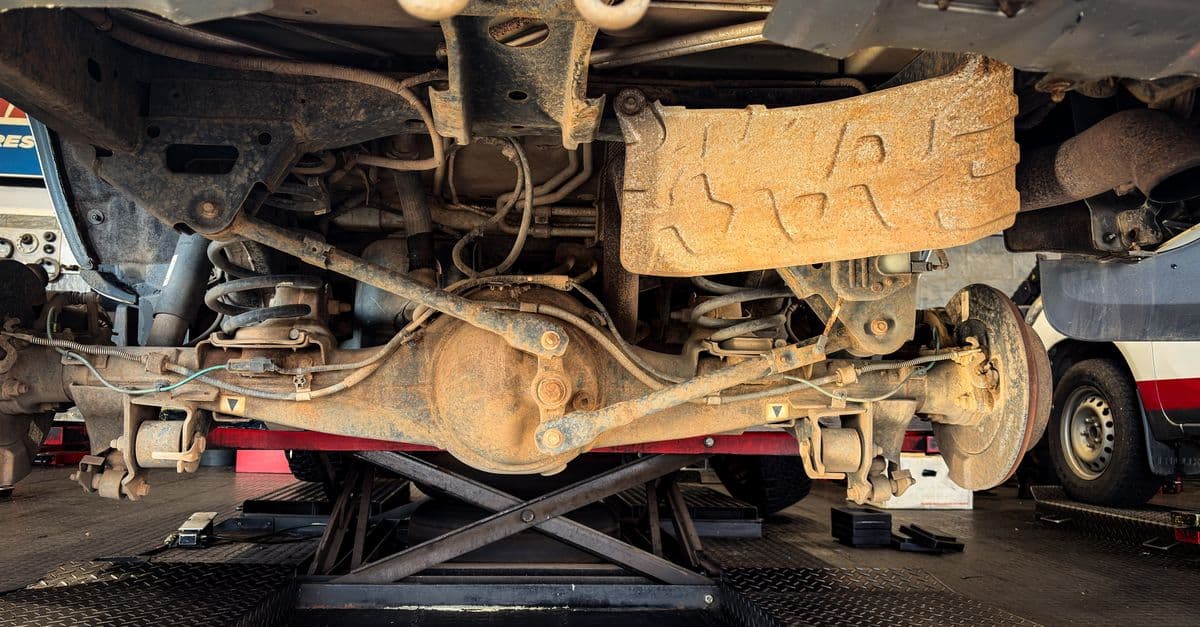
While wheel bearings are a frequent culprit, low-frequency vibrations at cruising speeds can also originate from other areas of the chassis. Tires with irregular wear patterns, cupping, or severe feathering create a remarkably similar noise profile that tricks many drivers. Additionally, worn constant-velocity axle joints, failing differential bearings, or even a loose dust shield rubbing against a brake rotor can produce persistent hums that travel right up through the floorboards.
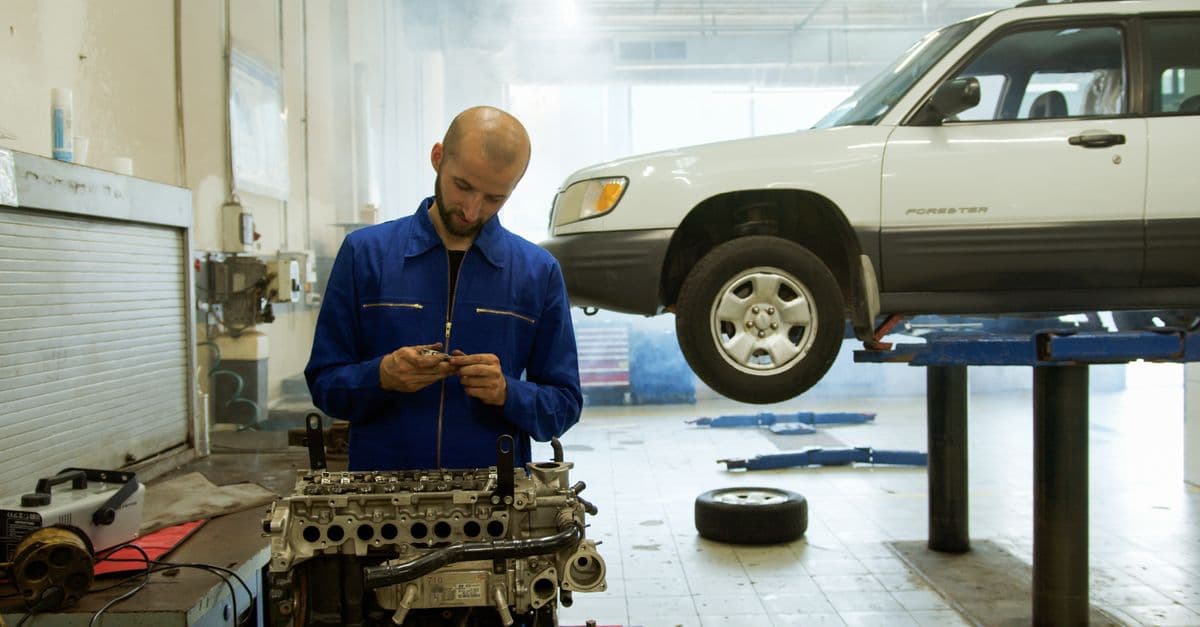
A systematic check of the entire driveline is essential to pinpoint the exact root cause rather than guessing at the fix. To rule out other mechanical variables, technicians examine suspension components, check for wheel play, and inspect tire tread condition. Addressing these noises early preserves ride comfort and protects surrounding steering and suspension parts from premature strain. To get a professional assessment, schedule a Vehicle health inspection and safety checks at our shop located at 35 Parkdale Ave N in Hamilton.
Checking Suspension and Steering Alignment Factors
Abnormal tire wear and subsequent humming noises are frequently tied to improper wheel angles. Potholes from spring thaws and heavy impacts against curbs can knock your steering geometry out of specification. When wheels point slightly inward or outward instead of running true, the edges of the rubber tread scrub against the pavement continuously. This unnatural friction generates localized cupping that mimics the exact acoustic frequency of a failing bearing.
Combining a suspension evaluation with a Precision 3D wheel alignment ensures that all four wheels track correctly down the road. Correcting the alignment stops the uneven wear pattern before it ruins a fresh set of tires. Furthermore, it restores straight-line tracking, reduces driver fatigue on long trips, and ensures predictable handling when braking or turning on wet autumn roads across Hamilton Mountain and Stoney Creek.
Frequently asked questions
Can I keep driving with a noisy wheel bearing?
Driving on a worn wheel bearing is strongly discouraged because the internal components can eventually seize or separate entirely while driving at high speeds. It is always safest to have the vehicle inspected promptly upon hearing a persistent drone to prevent sudden roadside breakdowns.
Does tire tread wear cause a sound like a bad bearing?
Yes, cupped or choppy tire tread blocks can generate a loud humming noise that mimics a failing bearing very closely. Rotating and inspecting your tires regularly helps differentiate between uneven tire wear noise and actual mechanical bearing failure.
How does cold weather affect wheel noise?
As temperatures drop during autumn and winter mornings, rubber compounds stiffen and metal components contract, which can make existing bearing or suspension noises more noticeable. Early morning drives often highlight these sounds before the vehicle has warmed up and settled into its usual rhythm.
If you hear an unusual drone from your wheels while driving through Hamilton, we are here to help. Call us at (905) 547-1112 or use contact us to book your appointment for a thorough mechanical evaluation today.
Photo: Jose Ricardo Barraza Morachis / Pexels