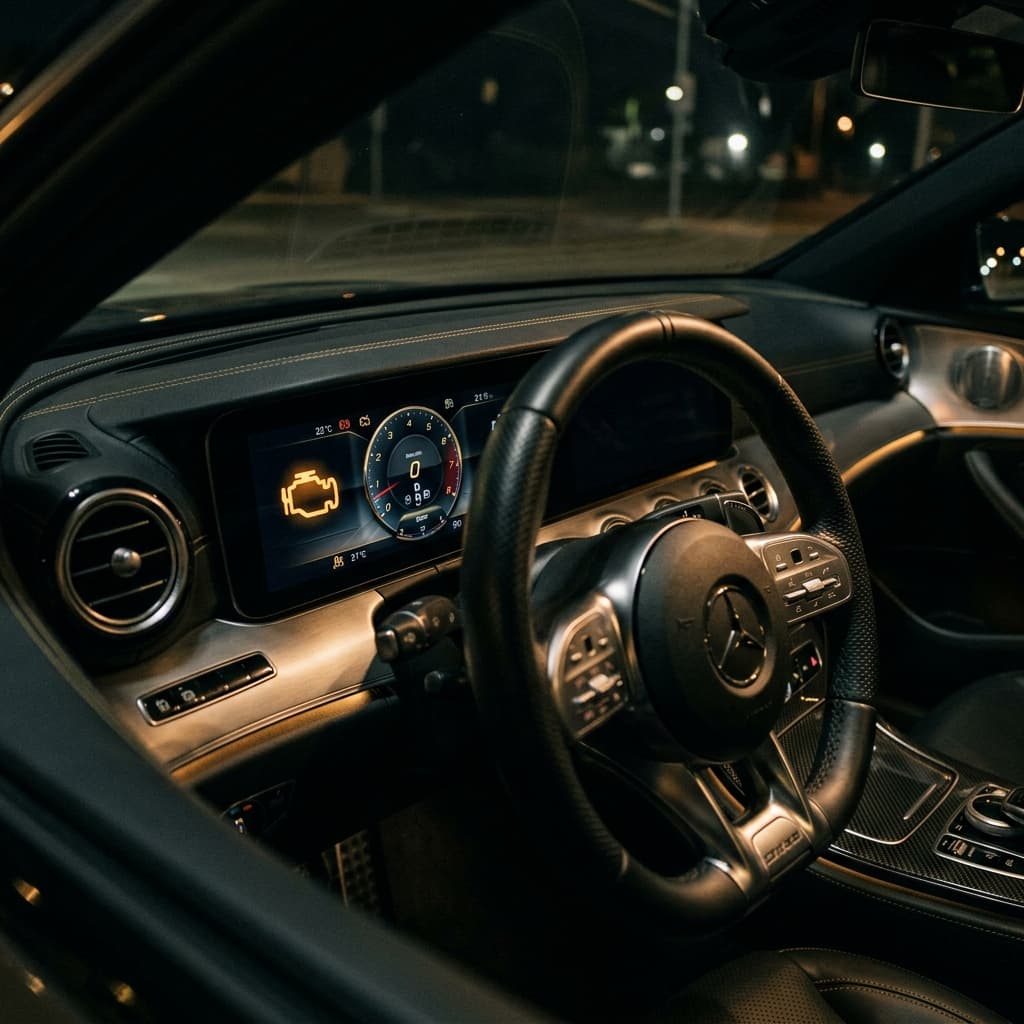
The Check Engine Light (CEL) is one of the most misunderstood dashboard indicators. While it can cause instant anxiety, it doesn't always mean your engine is about to explode. It simply indicates that the vehicle’s onboard diagnostics system (OBD-II) has detected a malfunction in the emissions, ignition, or fuel systems.
Common Triggers for the Check Engine Light
1. Loose Gas Cap: A loose, cracked, or faulty gas cap can allow fuel vapors to escape, triggering the OBD system. Try tightening it first.
2. Faulty Oxygen Sensor: The O2 sensor measures the oxygen content in exhaust gases. A failing sensor leads to poor fuel economy and can damage your catalytic converter.
3. Failing Catalytic Converter: This component converts harmful engine gases into less toxic emissions. A failure usually results from neglected spark plugs or O2 sensors.
4. Worn Spark Plugs and Wires: Over time, spark plugs degrade, leading to engine misfires, reduced power, and a flashing check engine light.
Flashing vs. Solid Check Engine Light
A solid light means there is an issue that needs inspection soon, but you can safely drive to a service shop. A flashing light indicates a severe misfire that can destroy your catalytic converter; you should pull over immediately and have the car towed.