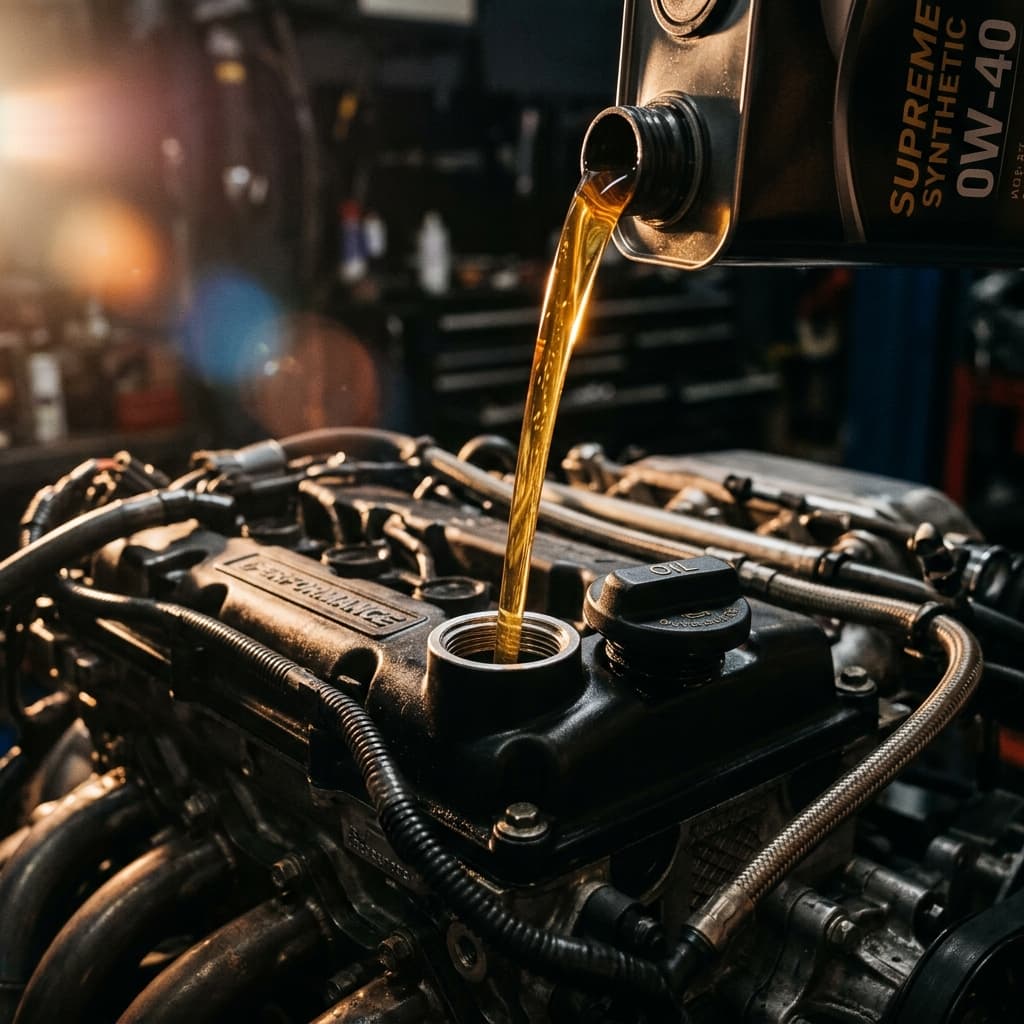
Routine oil changes are often described as the single most important maintenance task for any combustion engine. Despite this, it is also one of the most frequently delayed services. Understanding what engine oil does and why it degrades can help you appreciate its importance.
The Functions of Engine Oil
1. Lubrication: Engine oil creates a thin barrier between rapidly moving metal parts, preventing friction, heat, and wear.
2. Cooling: Oil helps carry heat away from the combustion chamber and lower engine components.
3. Cleaning: Modern oil contains detergents that collect dirt, carbon, and debris, carrying them to the oil filter.
What Happens When You Skip Oil Changes?
Over time, engine oil breaks down due to heat and pressure, losing its viscosity and turning into a thick, black sludge. Sludge blocks oil passages, depriving critical components of lubrication. This leads to overheating, metal-on-metal friction, and eventually, total engine failure.