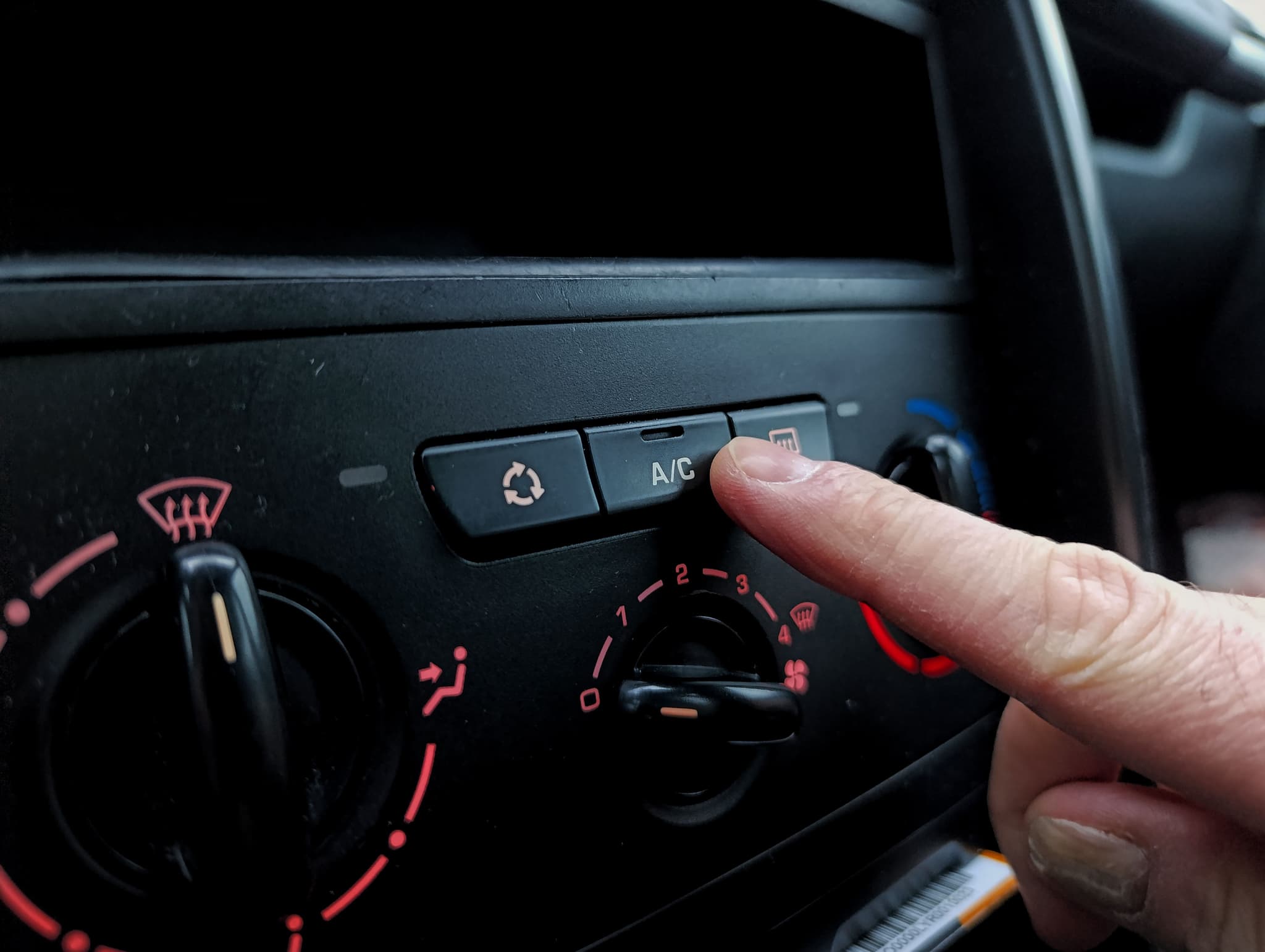
A vehicle's Heating, Ventilation, and Air Conditioning (HVAC) system is essential for both driving comfort and active driving safety—ensuring rapid windshield defogging during Hamilton rainstorms and freezing winter commutes.
1. R-134a vs. Next-Generation R-1234yf Refrigerant Modern vehicles built after 2017 increasingly use environmentally friendly R-1234yf refrigerant. Our shop is equipped with dual recovery and recharging stations capable of servicing both legacy R-134a and new R-1234yf climate systems with computerized precision.
2. Diagnosing Low AC Cooling & Refrigerant Leaks Automotive air conditioning is a closed hermetic loop. If your AC blows lukewarm air: - The system has developed a micro-leak (commonly at condenser stone-impact points, O-ring seals, or compressor shaft seals). - Adding refrigerant cans without repairing the leak releases harmful gas and introduces moisture that turns into corrosive acid inside the expansion valve. - We utilize nitrogen pressure testing and ultraviolet fluorescent dye to accurately pinpoint leak sources.
3. Heater Core & Blend Door Actuator Issues If you experience lack of cabin heat or clicking noises from behind the dashboard: - Blend door stepper motors may have stripped gears, failing to route air through the heater core. - The heater core may be clogged with scale and aged antifreeze deposits, requiring a targeted chemical backflush.
Replace your cabin air filter annually to eliminate mold spores, pollen allergens, and musty odors while protecting your blower motor from electrical burnout.