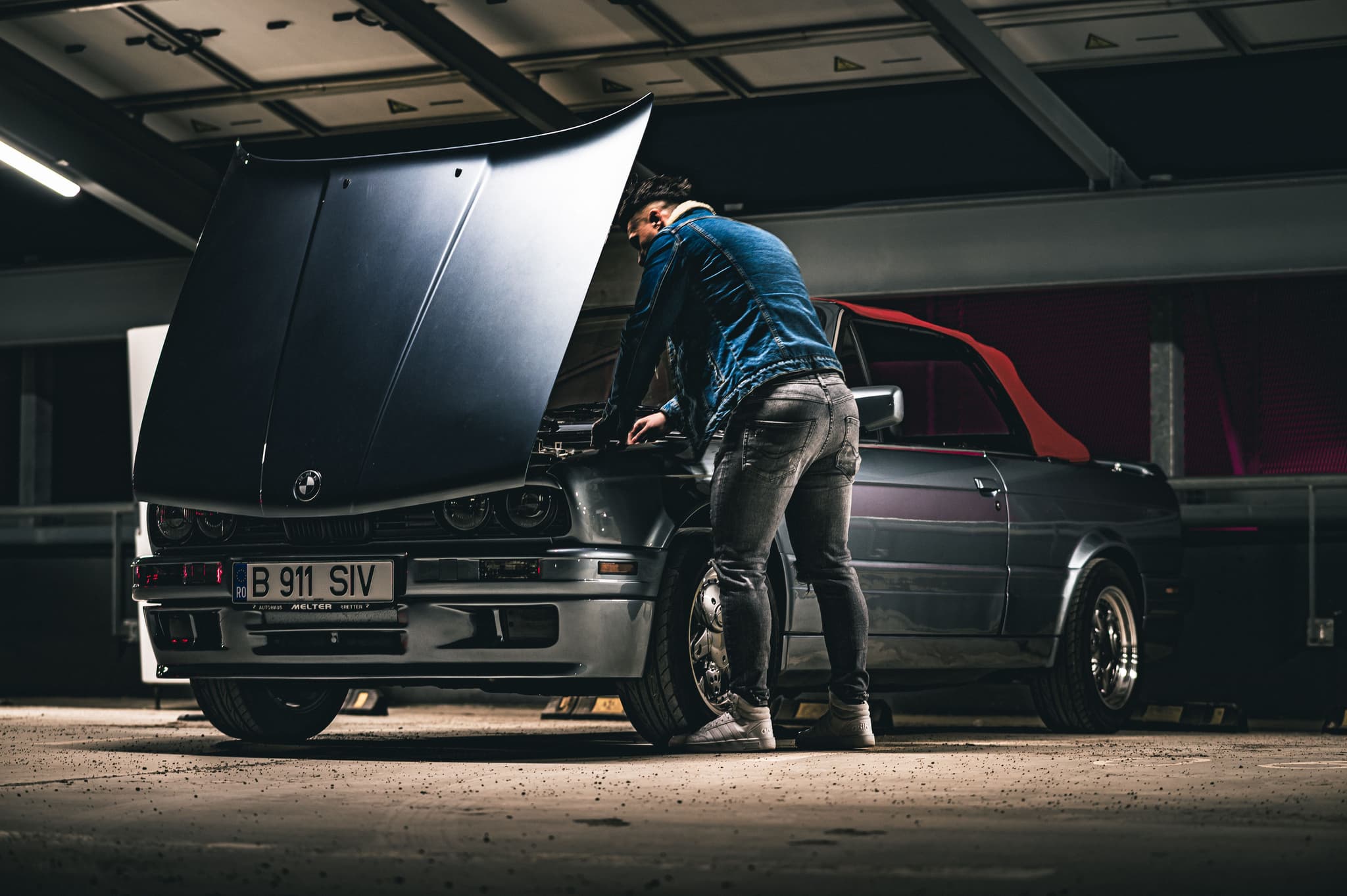
European automobiles represent the pinnacle of precision automotive engineering. From turbocharged direct-injection powerplants to complex multi-bus fiber-optic networks, servicing BMW, Mercedes-Benz, Audi, Volkswagen, and Porsche demands specialized tooling and factory-trained expertise.
1. Proprietary Communication Protocols & Module Coding Unlike domestic and Asian vehicles that communicate primarily via standard OBD-II protocols, European vehicles feature complex control architectures (such as BMW ISTA, Mercedes XENTRY, and VAG ODIS). When replacing electronic actuators, steering angle sensors, or throttle bodies, individual modules require software adaptation and variant coding to function seamlessly.
2. Direct Injection Carbon Buildup & Walnut Blasting Because gasoline direct injection (GDI) sprays fuel straight into combustion chambers rather than over the intake valves, European engines naturally accumulate baked-on carbon deposits on intake runners over 60,000 to 80,000 km. Our technicians utilize specialized walnut shell media blasting to safely restore factory airflow, throttle response, and fuel efficiency without removing cylinder heads.
3. Precision Fluid Formulations (LongLife & Factory Approvals) European engines operate at higher oil temperatures and tighter mechanical tolerances. Using standard motor oil can rapidly degrade valve seals and turbocharger bearings. We strictly adhere to factory specification oils carrying official approvals (e.g., BMW LL-01/LL-04, MB 229.5, VW 504.00/507.00, Porsche A40).
Always service European vehicles at regular 8,000 to 10,000 km intervals regardless of extended dashboard service reminders to prevent premature timing chain and variable valve timing guide wear.