Navigating wet autumn roads across Hamilton requires confidence in your stopping power, especially when moisture mixes with road debris on busy corridors like Parkdale Ave. If your foot sinks further toward the floorboard than usual or the pedal feels soft and yielding, your vehicle is telling you something important about its hydraulic pressure. Ignoring this symptom during seasonal weather transitions can compromise your safety when you need to slow down quickly in heavy rain.
Understanding Hydraulic Pressure and Moisture
Your braking setup relies on a closed hydraulic circuit filled with brake fluid to translate the physical push of your foot into clamping force at each wheel. Over time, this fluid naturally absorbs microscopic amounts of moisture from the air, a process known as hygroscopic absorption. When autumn temperatures drop and humidity rises across East Hamilton and the surrounding areas, that accumulated moisture can heat up under friction and turn into vapour. Because vapour compresses far more easily than liquid, your pedal loses its firm resistance, resulting in that unsettling spongy feel.
The Dangers of Air Pores in Brake Lines
Beyond moisture absorption, a spongy pedal often points to air bubbles trapped within the brake lines or the master cylinder. When you press the pedal, instead of pushing fluid directly against the brake pistons, the hydraulic pressure simply compresses the air pocket first. This delay translates directly into longer stopping distances on slick autumn pavement. Whether you are driving through Stoney Creek or navigating the winding routes of Hamilton Mountain, air in the system demands immediate professional attention to restore proper hydraulic integrity.
Inspecting Pads, Rotors, and Hoses
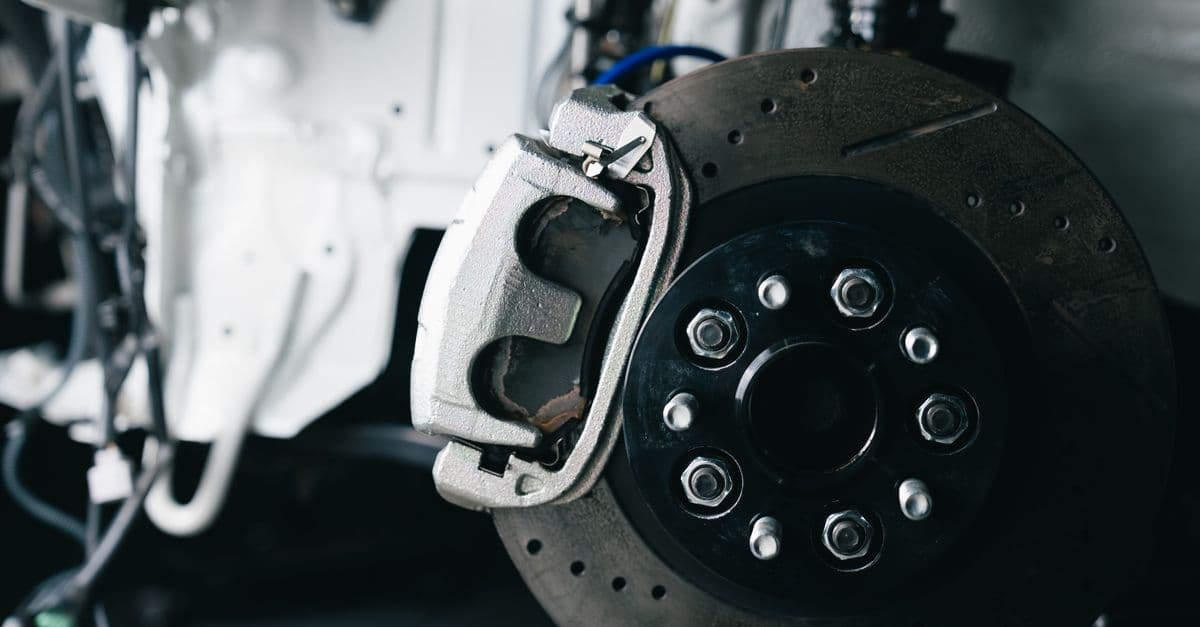
While fluid condition is a primary suspect, physical components also play a major role in how a pedal feels underfoot. Worn brake pads, thinning rotors, or expanding rubber brake hoses can all contribute to a softer pedal response. As rubber hoses age, they can swell slightly under high internal pressure rather than delivering that force strictly to the calipers. Technicians look closely at these components during Brake system repairs to ensure every part of the assembly works in unison.
- Check your fluid reservoir level regularly to spot hidden leaks.
- Listen for any unusual hissing sounds when pressing the pedal firmly.
- Watch for fluid pooling near the inner wheels after parking overnight.
Preparing Your Stopping System for Winter
Fall weather serves as the final warning window before freezing temperatures arrive and place even harsher demands on your vehicle. Addressing soft pedals now prevents minor hydraulic issues from turning into complete system failures when snow and ice cover local streets. Pairing your brake check with a Vehicle health inspection and safety checks ensures that related systems, such as tires and suspension, are equally prepared to handle slippery driving conditions.
Frequently asked questions
Why does a spongy brake pedal feel worse in the rain?
Moisture on the road increases your dependence on immediate traction and friction, while humidity and wet conditions can accelerate existing vulnerabilities in worn hydraulic lines. When your brakes get wet and the fluid contains moisture, the combined effect noticeably reduces pedal firmness.
Can I drive short distances with a soft brake pedal?
Driving with a spongy pedal is strongly discouraged because your stopping distance increases unpredictably. If the hydraulic pressure fails entirely, you may lose the ability to stop the vehicle in an emergency situation.
How often should brake fluid be serviced?
Brake fluid generally requires replacement every few years to clear out accumulated moisture and corrosion inhibitors, though your specific maintenance schedule depends on local driving habits and vehicle specifications.
To schedule your next service or to discuss your vehicle's needs, please contact us or call Golden Auto Service directly at (905) 547-1112 today.
Photo: Erik Mclean / Pexels