As temperatures drop across Hamilton and early morning frost begins to coat windshields, your vehicle relies heavily on clean internal fluids. Engine oil plays a vital role in lubricating moving metal parts, reducing friction, and carrying away harmful combustion byproducts. Over time, heat, mileage, and exposure to air cause this fluid to break down, changing from a clear amber liquid into a dark, thick substance. Understanding how this degradation occurs helps drivers in East Hamilton, Stoney Creek, and the Hamilton Mountain area plan their maintenance schedules effectively.
How Engine Oil Breaks Down and Thickens Over Time
Inside a working engine, oil is subjected to extreme temperatures and relentless mechanical pressure. As the kilometers accumulate, the base oil molecules begin to shear down, while additives that prevent oxidation and wear are gradually depleted. At the same time, microscopic soot, unburned fuel, moisture from condensation, and tiny metallic fragments mix into the fluid.
When these contaminants accumulate without interruption, they bind together and thicken the oil. Instead of flowing smoothly through narrow internal passages, degraded oil becomes sludgy and sluggish. This thickening effect is especially problematic during chilly Ontario mornings when cold temperatures naturally make fluids more viscous. If the oil is already heavy with contaminants, it struggles to circulate properly upon startup, leaving critical engine components vulnerable to metal-on-metal friction.
Protecting Your Engine with Fresh Lubrication and Filters
Waiting too long between service intervals accelerates this thickening process, creating a cycle of wear that impacts overall engine performance and fuel efficiency. Routine fluid care ensures that fresh lubricants can coat the camshaft, pistons, and bearings instantly. Scheduling an oil and filter change removes suspended contaminants and spent fluid before they can form stubborn deposits inside the crankcase.
During a standard service appointment at our shop located at 35 Parkdale Ave N in Hamilton, ON, our technicians drain the old, contaminated fluid and replace the spin-on canister or cartridge filter. This simple maintenance step restores proper flow rates and maintains the protective film strength required under daily driving conditions. Regular changes also give mechanics a chance to spot minor leaks or gasket issues early, helping you avoid unexpected breakdowns.
Recognizing the Hidden Signs of Lubricant Breakdown
Beyond checking the color on the dipstick, drivers should watch for subtle behavioral changes in their vehicle. An engine running on thick, old oil may sound slightly louder during initial startup or idle rougher than usual while waiting at busy intersections. Furthermore, poor lubrication increases internal drag, which gradually robs the motor of its normal efficiency. Pairing your oil service with a vehicle health inspection and safety checks ensures that related components, such as belts, hoses, and fluid reservoirs, receive a thorough professional evaluation before winter weather fully sets in across the region.
Frequently asked questions
How often should I check my oil level between changes?
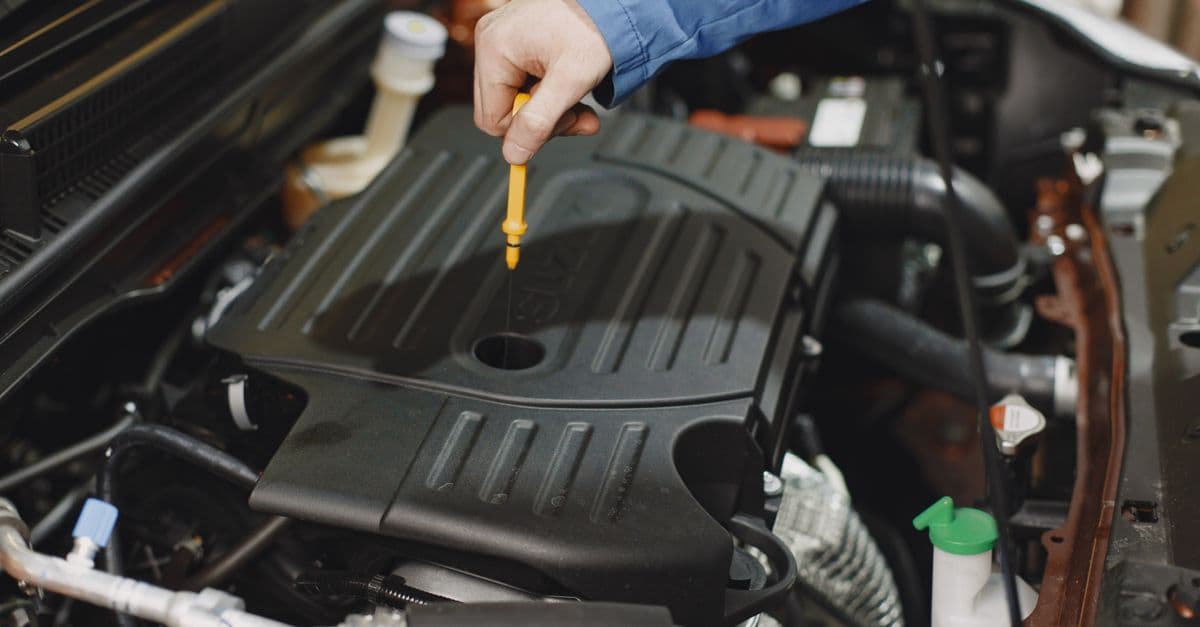
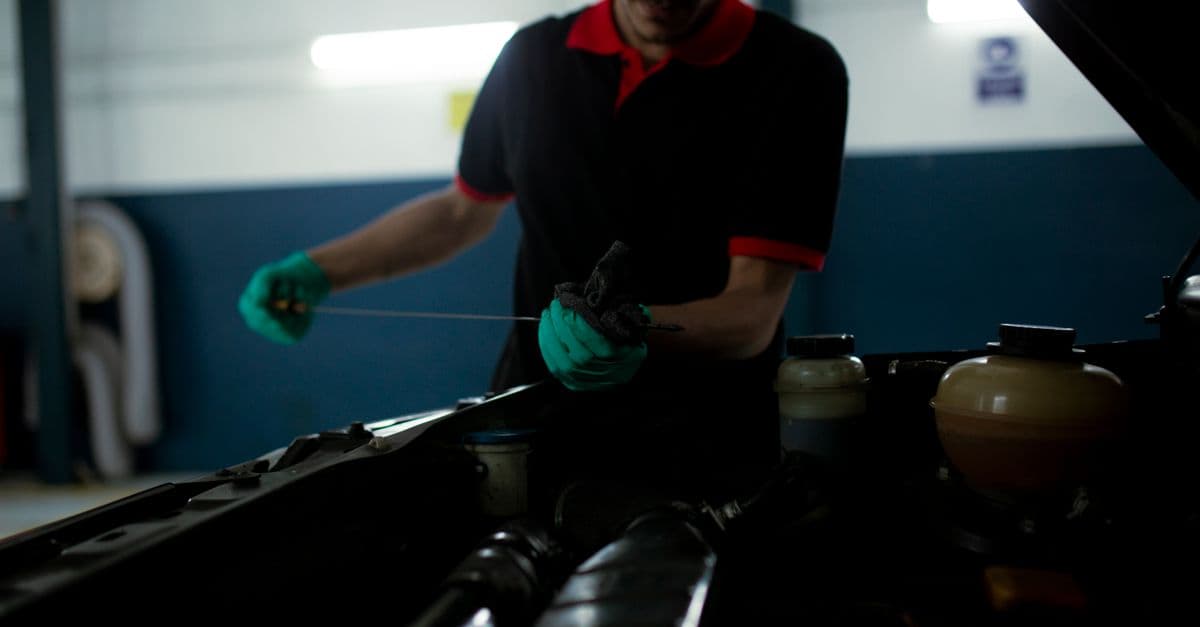
It is wise to check your dipstick every few weeks or before heading out on a longer trip. Pull the dipstick out, wipe it clean with a lint-free rag, reinsert it fully, and pull it out again to read the fluid level accurately against the markers.
Can thick oil cause my check engine light to turn on?
Yes, severely degraded or sludgy oil can restrict movement in variable valve timing components or trigger pressure faults. If your dashboard lights illuminate, schedule advanced diagnostics to identify the root cause.
Does driving in city traffic make oil break down faster?
Frequent short trips, stop-and-go commuting, and idling in traffic place heavy thermal stress on motor oil. These driving conditions prevent the engine from reaching ideal operating temperatures long enough to boil off accumulated moisture, accelerating oil thickening.
To schedule your next service or to discuss your vehicle maintenance plan, please contact us or call our team at (905) 547-1112 today.
Photo: Fatih Erden / Pexels