Completing a routine turn through a busy local intersection should leave your vehicle tracking straight once the steering wheel returns to centre. If you notice your car persistently drifting or pulling to one side after clearing the corner, your steering and suspension geometry may need professional attention. Driving through East Hamilton, Stoney Creek, or the Hamilton Mountain exposes your vehicle to rough asphalt, sudden bumps, and uneven road surfaces that slowly alter how your front tires meet the pavement.
Understanding Suspension Geometry Shifts
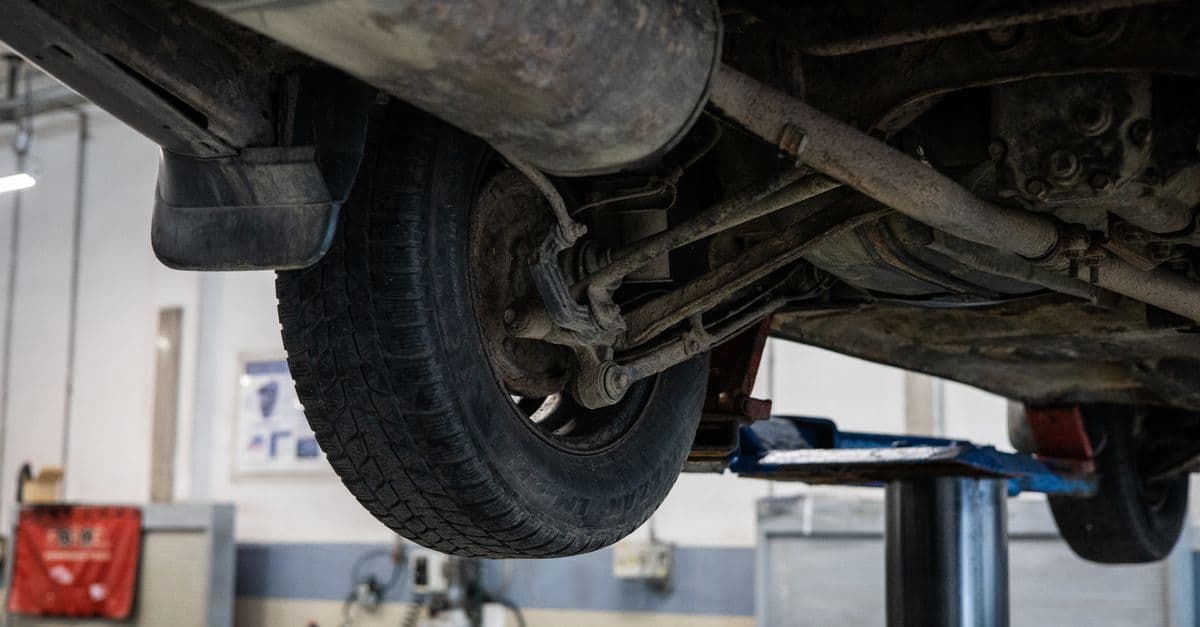
Your vehicle relies on precise angles to keep your tires flat against the road and your steering wheel centered. When you navigate tight corners or encounter severe bumps, components like tie rods, control arms, and strut assemblies experience significant lateral forces. Over time, these parts can shift slightly or wear down, altering your caster and toe angles. If your steering wheel fails to return smoothly to the middle position, or if you must actively fight a sideways pull to keep the vehicle in its lane, it is a clear sign that your suspension angles are out of specification.
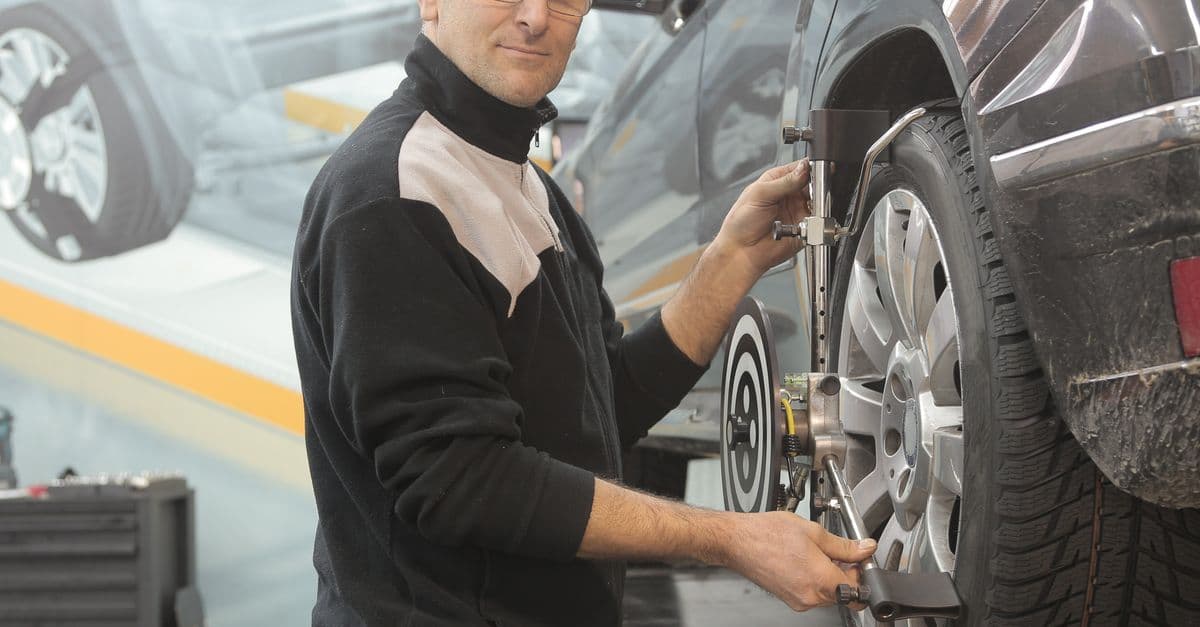
Ignoring a persistent pull after turns can lead to rapid, uneven tire wear that ruins your tread long before its time. Furthermore, it forces your steering system to work harder, creating driver fatigue during long commutes. Addressing this issue early helps protect your investment in tires and suspension components. To ensure your vehicle tracks properly down the road, consider booking a Precision 3D wheel alignment to restore factory specifications and correct any drift.
Checking Other Contributing Systems
While suspension geometry shifts are the primary culprit behind a post-turn pull, other mechanical factors can contribute to handling issues. A sticking brake caliper can keep pads lightly pressed against the rotor on one side, mimicking the feeling of a steering pull. Additionally, worn suspension bushings or loose wheel bearings can allow unintended movement when cornering loads are applied. If you suspect deeper mechanical concerns, scheduling a Vehicle health inspection and safety checks provides a thorough look at your entire undercarriage and braking hardware.
Seasonal Road Conditions and Alignment
As the weather cools down and autumn brings wet leaves and frost to local roadways, predictable vehicle handling becomes even more critical. Slippery surfaces reduce the margin for error when your car naturally wants to drift to the left or right after an intersection turn. Ensuring your steering components are tight and properly adjusted helps maintain vehicle control during changing seasonal conditions. If you notice unusual handling responses while navigating neighborhood streets or parkways, addressing the root cause before winter arrives prevents minor handling annoyances from turning into major safety concerns.
Frequently asked questions
Why does my car pull harder in one direction than the other?
This behavior usually indicates that one side of your front suspension has suffered a more significant alignment shift or component wear. Road crowns can also accentuate an existing alignment bias, making the pull feel stronger when driving on specific streets.
Can low tire pressure cause a steering pull after turning?
Yes, unequal tire pressure between the left and right sides creates rolling resistance differences that can cause the vehicle to drift. Always check your tire pressures first, but if the pull persists after correction, an alignment check is necessary.
For professional guidance on keeping your vehicle tracking straight in Hamilton, contact us to discuss your service needs or call Golden Auto Service at (905) 547-1112 to speak with our shop team.
Photo: Andrea Piacquadio / Pexels